On a hot summer day, your air conditioner performs two tasks simultaneously: cooling the air and quietly removing moisture from it. That moisture has to go somewhere. Most of the time, gravity does its job, and the water flows down a drain line and disappears. But when the drain is in the wrong place, or there is no nearby floor drain at all, a small device called a condensate pump steps in to do the heavy lifting.
If you have ever noticed a little white or grey box sitting near your AC unit, furnace, or boiler with a thin plastic tube running out of it, you have already met one. It takes about five minutes to understand how a condensate pump works, and this knowledge is important because when the device fails, water accumulates in places where it absolutely should not be.
This article explores the working principle, mechanical and control components, types, and industry standards associated with condensate pumps.
What Is a Condensate Pump?
Think about what happens when a cold glass sits on a table on a humid day. Water beads up on the outside. This is condensation, that is, warm, moisture-laden air meeting a cold surface and releasing its water content as liquid droplets.
Your HVAC system does the same thing on a much larger scale. When your air conditioner runs, the evaporator coil gets very cold. Warm indoor air passes over it, the moisture in that air condenses into water, and that water drips down into a collection pan. High-efficiency gas furnaces and boilers do something similar: as they extract heat from combustion gases, those gases cool and release water vapor as liquid condensate.
A condensate pump is a small, electrically powered device that collects this water and pumps it away to a drain. That is its entire job. It sits below the HVAC equipment, gathers the dripping water in a reservoir, and automatically moves it out of the way before it can overflow and cause damage.
What Is a Condensate Pump Used For?
The purpose of a condensate pump regardless of where it is installed remains the same: to reliably and automatically discharge water generated by heating or cooling systems. Its common applications in residential and small-scale commercial settings are outlined below.
Central air conditioning units
An AC evaporator coil can produce several liters of water per hour on a humid day. If the unit is installed in a basement or utility room without a nearby floor drain, a condensate pump moves that water up and out to a sink, standpipe, or exterior wall.
High-efficiency gas furnaces
Modern condensing furnaces extract so much heat from exhaust gases that those gases cool below their dew point inside the unit. The result is acidic condensate that needs to be drained away safely. A pump handles this when gravity drainage is not practical.
Gas boilers
Spinning impellers work on the same principle as high-efficiency furnaces. They produce liquid condensate as a by-product of the heating process, and that water needs a route out of the system.
Dehumidifiers
A dehumidifier pulls moisture from the air and collects it in a tank. Rather than emptying that tank by hand every day, many homeowners connect a condensate pump to run the water continuously to a drain.
Refrigeration units
Display cases and walk-in coolers in commercial settings produce condensate just like residential AC units. A pump keeps the water moving without manual intervention.
How Does a Condensate Pump Work?
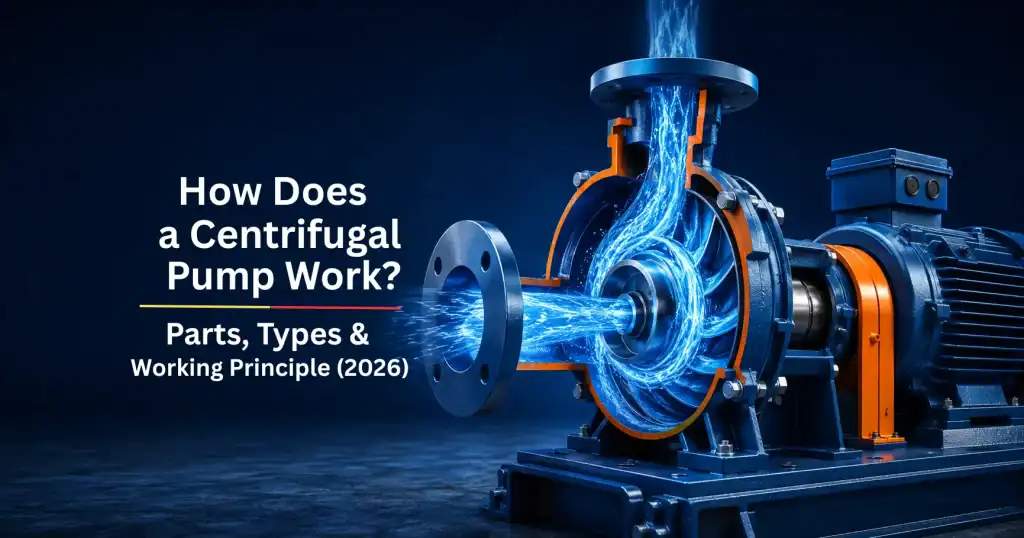
Inside the unit, water collects in a small tank called a reservoir. As the water level rises, a float switch rises along with it, and once the water hits a certain level, the switch activates a small motor. The motor spins an impeller, which pushes the water through a narrow discharge tube toward the drain or an exterior wall. A check valve installed on this line prevents water from flowing back after the pump stops. This is the basic mechanism behind how a condensate pump works, and the same cycle repeats on its own every few minutes for as long as water keeps collecting.
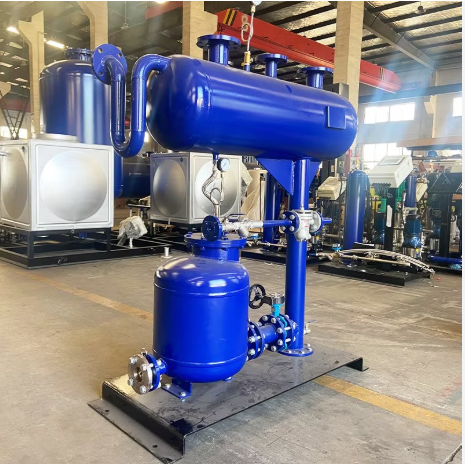
Most homes use this exact setup, with the pump sitting next to an AC unit, furnace, or boiler. Industrial systems follow the same idea, but they run on steam pressure instead of an electric motor.
Key Components of a Condensate Pump
The reliability of a condensate pump lies in its robust construction. Below are the primary mechanical components:
- Reservoir (collection tank)
The small basin that catches dripping condensate and holds it until the pump activates. Think of it as a waiting room for water.
- Float switch
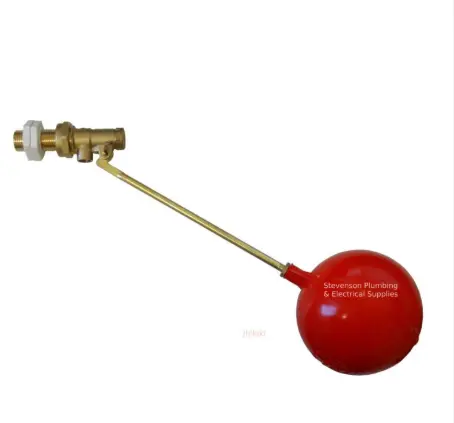
A floating arm or ball that rises with the water level and actuates an electrical switch upon reaching a certain height, thereby serving as the trigger to start or stop the pump.
- Motor
A small electric motor, usually running on standard household current, that powers the impeller when the float switch calls for it.
- Impeller
A rotating disc with curved vanes throws water outward using centrifugal force, generating the necessary pressure to push the water up and away through the discharge line.
- Discharge line
A thin plastic tube, typically around 10–12 mm in diameter, that carries the pumped water from the reservoir to the drain point.
- Check valve
A one-way valve is installed on the discharge line to prevent water from flowing back into the reservoir when the pump stops; without it, the water would flow back and force the pump to restart immediately.
Control Systems: Float Control vs. Sensor Control
The functionality of a condensate pump can vary depending on its control mechanism, primarily falling into two categories:
1. Float Control System
This traditional system uses a mechanical float to detect the water level in the vessel. When the level rises, the float triggers a valve, allowing steam pressure to push the condensate toward the boiler. It’s a reliable and cost-effective method, especially for smaller applications.
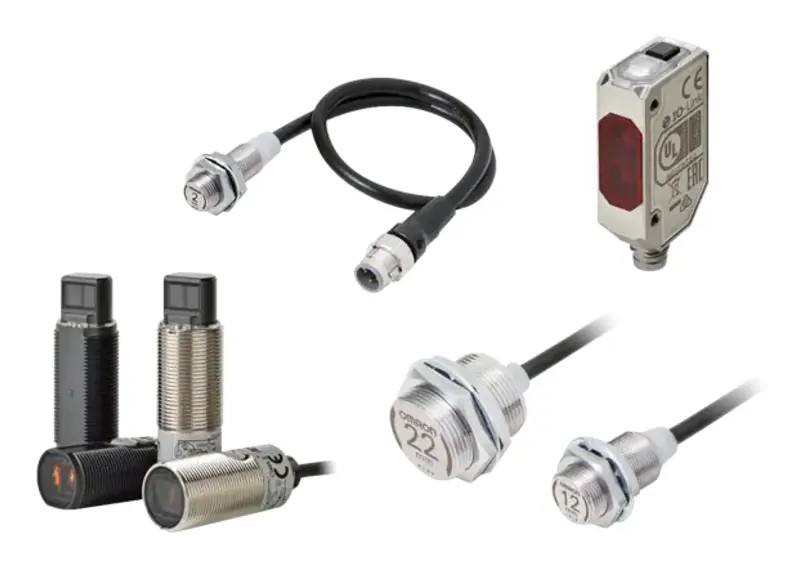
2. Sensor Control System
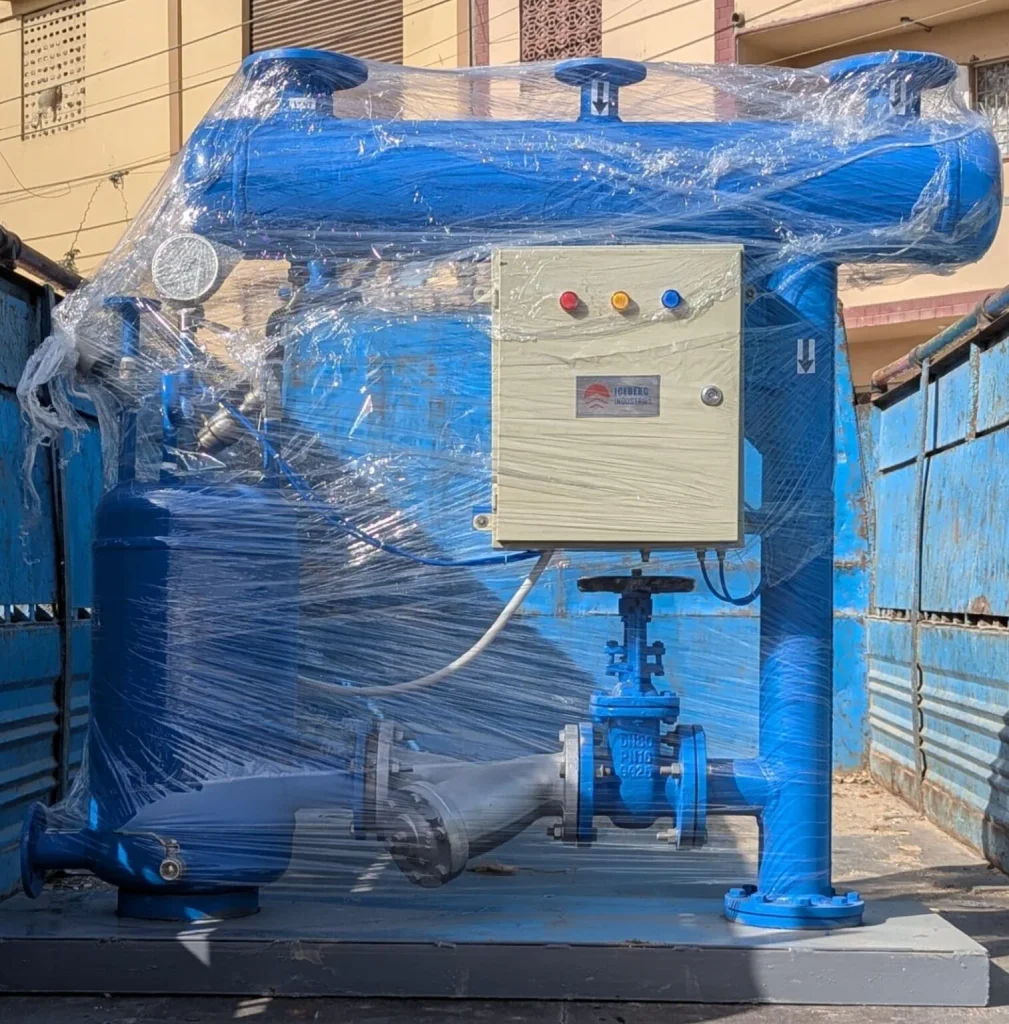
A more modern approach, this system uses OMRON sensors, solenoid valves, and indicators. These detect the water level electronically and signal the system to operate accordingly. Sensor-controlled pumps offer greater precision, faster response time, and better integration with automated industrial processes.
Types of Condensate Pumps by Pumping Mechanism
Not every condensate pump works the same way. The four main types you will encounter in residential and light-commercial HVAC settings each suit different situations.
Centrifugal condensate pumps
These are by far the most common type in homes. It uses a spinning impeller to move water, is compact, quiet, and reliable, and works well with clean condensate that does not contain debris. Most of the white or grey boxes you see next to AC units and furnaces are centrifugal pumps.
Peristaltic condensate pumps
It uses a rotating roller that squeezes a flexible tube to push water through, much like squeezing toothpaste from a tube. Because the water only ever contacts the inside of the tube, these pumps handle condensate that contains small particles or algae without clogging. They are a good choice for environments where the water tends to be dirty.
Piston condensate pumps
It uses a reciprocating piston (a piston that moves back and forth) to generate higher pressure. This makes them well suited to situations where condensate needs to travel a long distance or be pushed to a significantly higher elevation than the pump itself. Less common in standard residential settings, but useful in larger properties.
Diaphragm condensate pumps
It uses a flexible membrane that flexes back and forth to create suction and discharge. They can handle both clean and slightly contaminated condensate and are valued for their ability to run dry without damage, a useful trait if the water supply is intermittent.
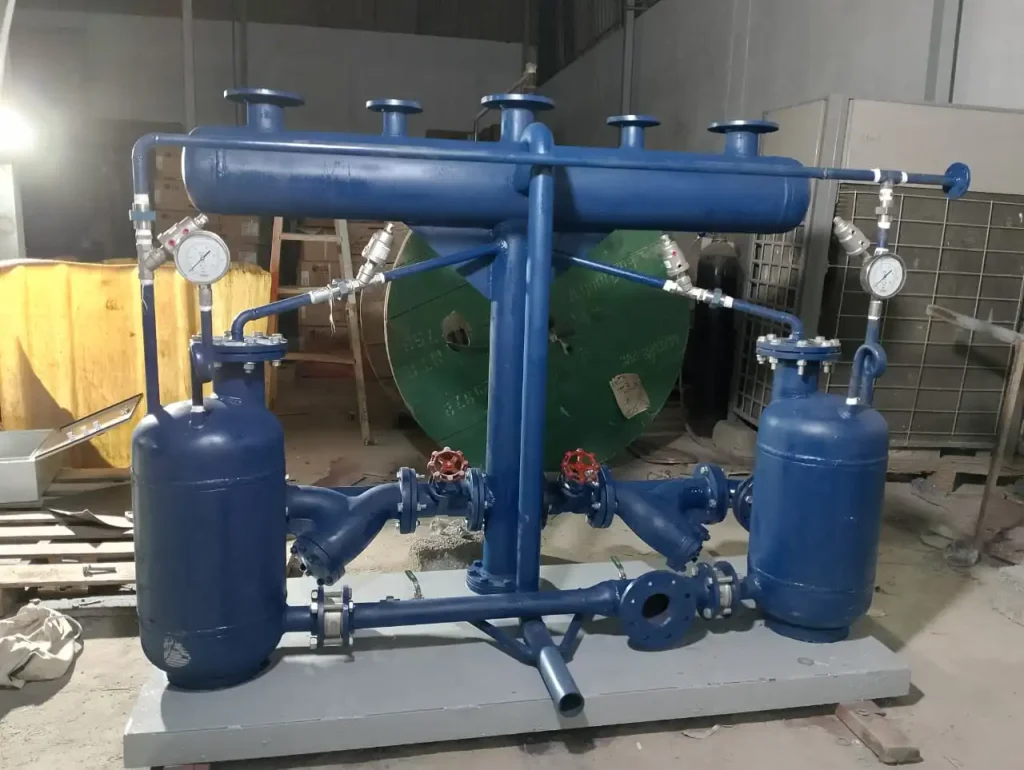
Difference Between Single-Vessel & Multi-Vessel Condensate Pumps
There are two main configurations:
🔹 Single Vessel Pumps
- Designed for small-scale operations.
- Ideal when there’s only one boiler or a limited quantity of condensate.
- Comes with a single control system (either float or sensor).
🔹 Multi-Vessel / Double Vessel Pumps
- Used in large industries where multiple boilers are installed.
- Designed to handle large volumes of condensate.
- More economical compared to installing multiple single-vessel pumps.
- Offers better pressure management and operational efficiency.
How Long Does a Condensate Pump Last?
A well-maintained residential condensate pump typically lasts somewhere between five and ten years. Some run longer; some fail sooner. The range depends on several factors that are largely within a homeowner’s control.
Maintenance frequency
This is the biggest variable. A pump whose reservoir is cleaned once or twice a year, removing algae, slime, and mineral deposits, will almost always outlast one that is never touched. Algae growth is the most common cause of premature failure: it can jam the float switch, clog the discharge line, and coat the impeller.
Water quality
It matters too. Hard water leaves mineral scale on internal components over time. If your home has hard water, more frequent cleaning extends the pump’s working life considerably.
Usage frequency
It plays a role. A pump serving an AC unit in a hot, humid climate runs far more cycles per year than one in a dry, mild region. More cycles mean more wear on the motor and impeller.
One question that comes up often: should a condensate pump have water in it?
The answer is yes, a small amount of standing water in the reservoir is completely normal. It simply means the float has not yet risen enough to trigger the pump. What is not normal is a reservoir that is always full to the brim or one that is completely dry while the HVAC system is actively running.
Steam-Powered Energy-Free Pumping
Steam from a boiler runs industrial machines. When it releases its heat, it turns back into water, which is called condensate. This water carries close to 0 TDS (Total Dissolved Solids), so it is beneficial to reuse it instead of wasting it.
One of the most useful things about this setup is that it needs no external electrical or mechanical power to move the condensate. Instead, a small amount of steam creates pressure, which pushes the condensate back to the boiler feed tank, even from 200 to 300 feet away. That cuts fresh water use, lowers fuel costs since the water is already hot, and keeps mineral buildup out of the boiler, which adds years to its service life. It’s also energy-efficient and cost-effective, since no separate pump motor is doing the work.
Material Ratings and Technical Specs
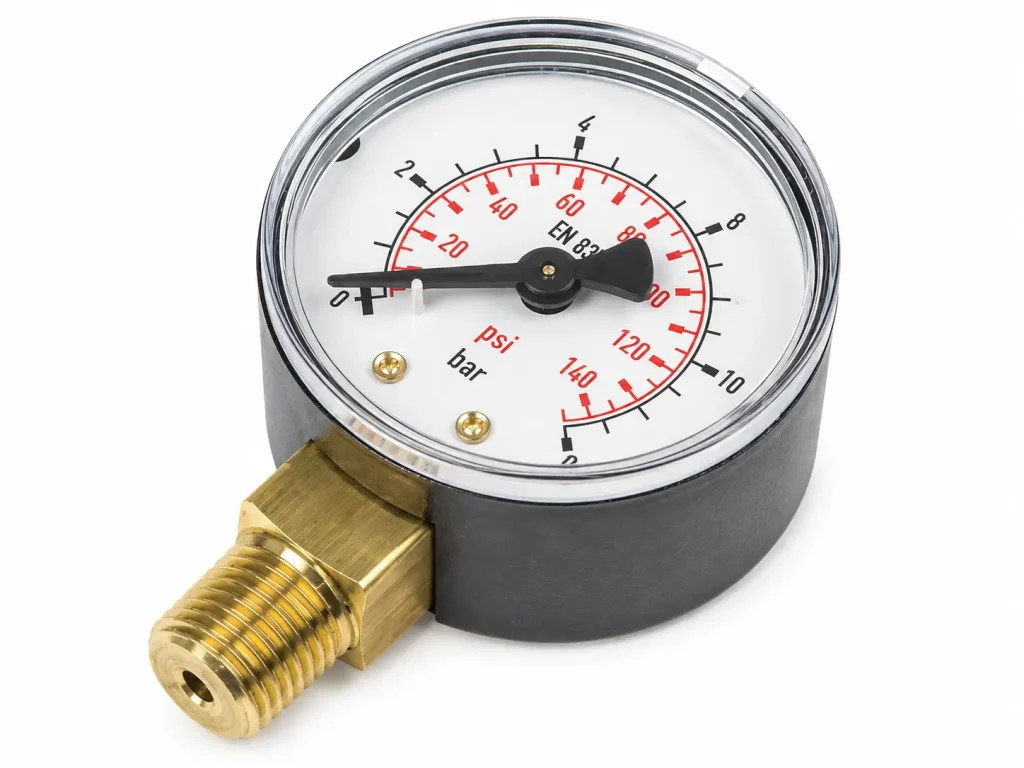
- The pump’s piping is constructed with MS sheet, typically Schedule 40, which supports pressure up to 40 bar.
- However, under normal operation, condensate pumps usually experience pressures between 10–15 Bars.
- All materials and welding conform to industrial-grade durability standards to ensure safe long-term use.
Condensate pumps are not just essential for energy efficiency but also play a vital role in water conservation, cost reduction, and boiler longevity. Whether you require a compact single-vessel system or a high-capacity multi-vessel unit, our pumps are custom-built to meet your industry’s specific needs.
If you’re planning to install or upgrade your condensate recovery system, feel free to reach out to us for tailored engineering solutions.
Frequently Asked Questions
How often should a condensate pump run?
A condensate pump runs more often when your AC or heater is working hard, since that makes more water. In summer or winter, it might cycle every few minutes. In mild weather, it may only run a few times a day. A pump that never turns on or runs non-stop needs a look.
How can you tell if a condensate pump is working?
A working pump makes a short humming sound every few minutes, then stops. During that time, the discharge line (the thin tube carrying water out) feels a bit warm or wet. If water is sitting in the tray and the pump never hums or drains it, the pump has stopped working.
What is a condenser pump?
A condenser pump and a condensate pump are the same device with two different names. Both collect and drain the water your AC, furnace, or boiler produces.
Stay connected with us for more in-depth industrial engineering insights.